
The Silent Green Guardian of Beirut: A Tribute to the Hippodrome
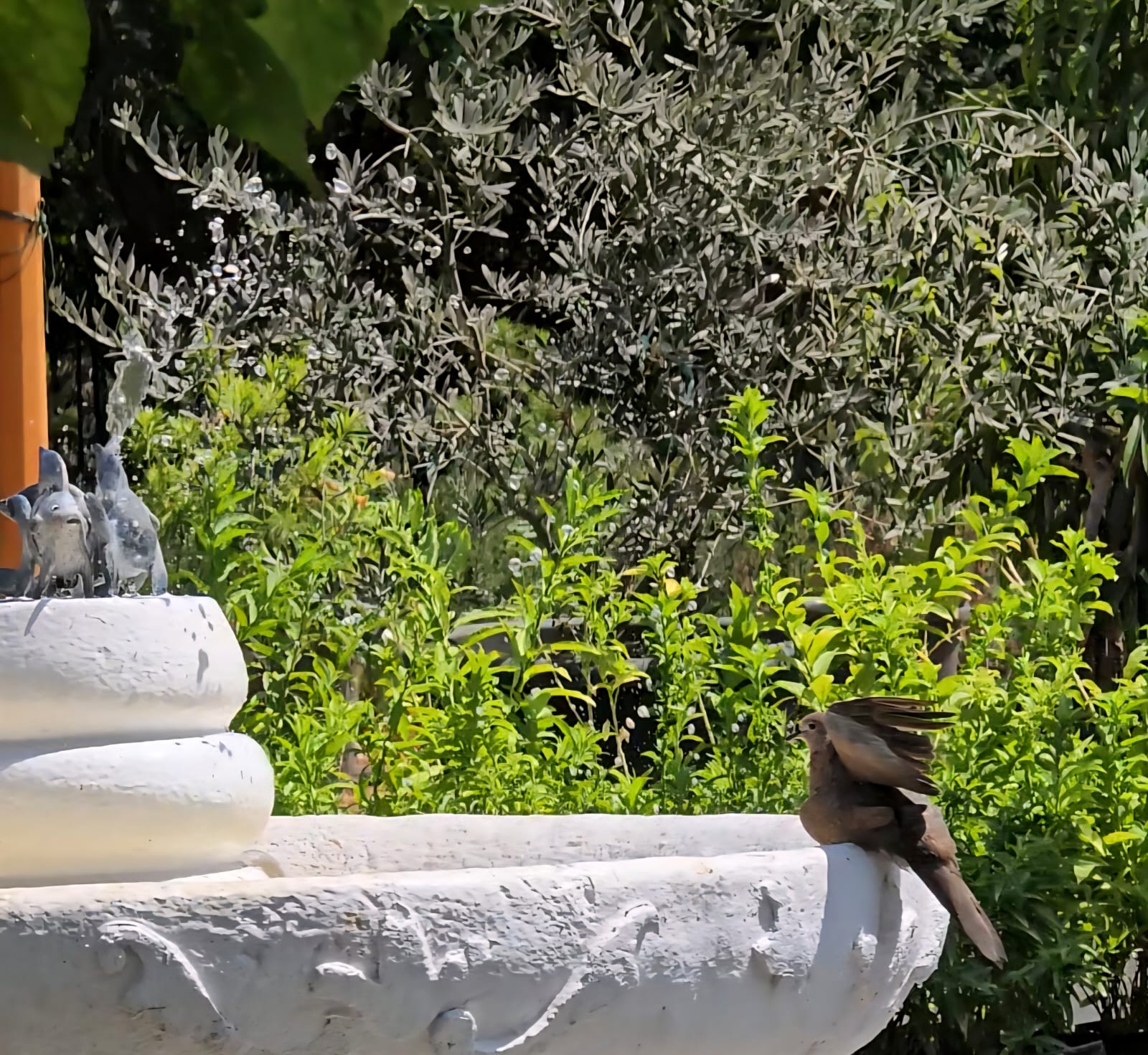
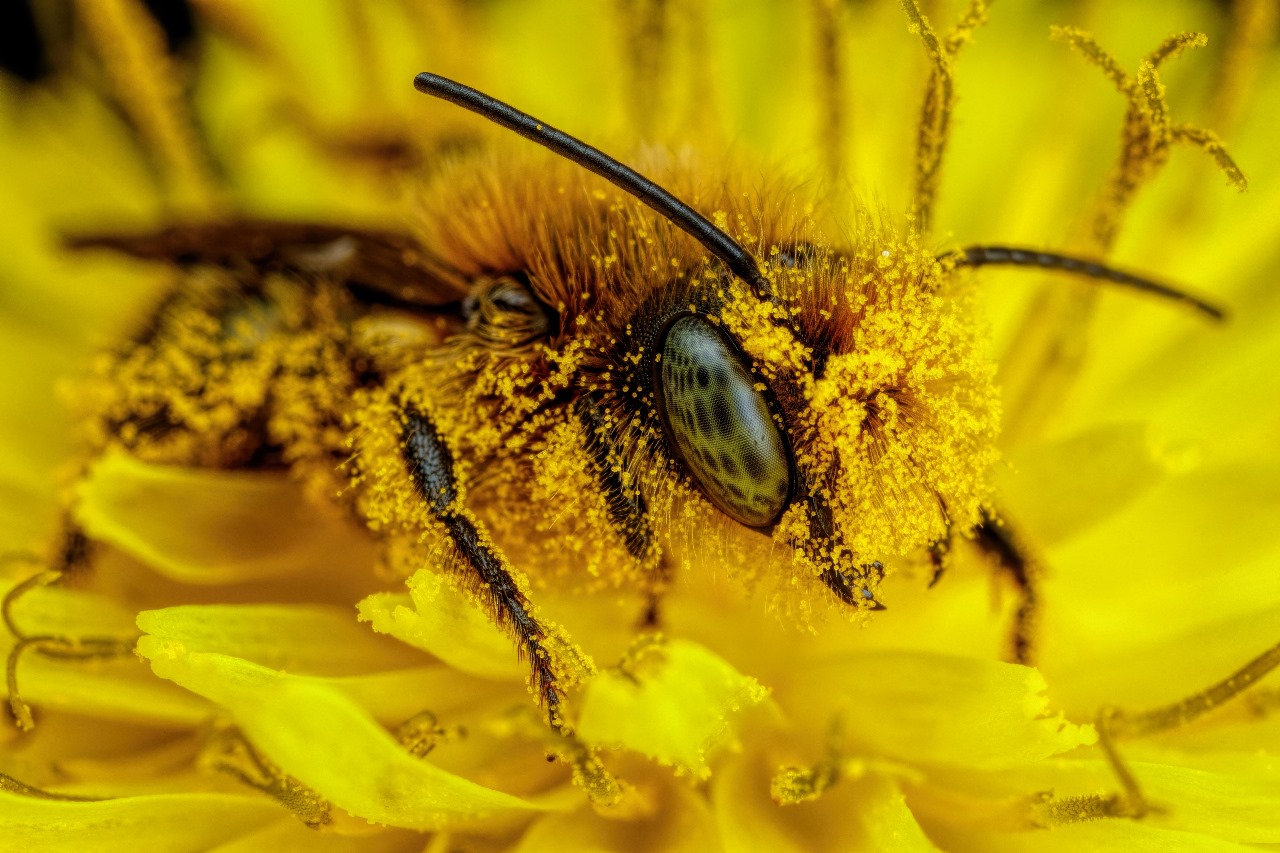
Thanks to the continued care and maintenance by the association managing the Hippodrome, this land has not only preserved the ancient pine trees, but also sustained an entire living ecosystem. From the tallest tree canopy to the soil beneath, the Hippodrome nurtures a delicate web of life — including countless birds that find refuge and nesting grounds, insects like pollinators essential for plant reproduction, and microorganisms that enrich the earth. This interconnected system supports biodiversity in a city where natural habitats are rapidly disappearing. It reminds us that protecting a tree means protecting life itself — the unseen relationships between flora, fauna, and the soil that make the environment resilient and thriving.

🌲 The Silent Green Guardian of Beirut: A Tribute to the Hippodrome
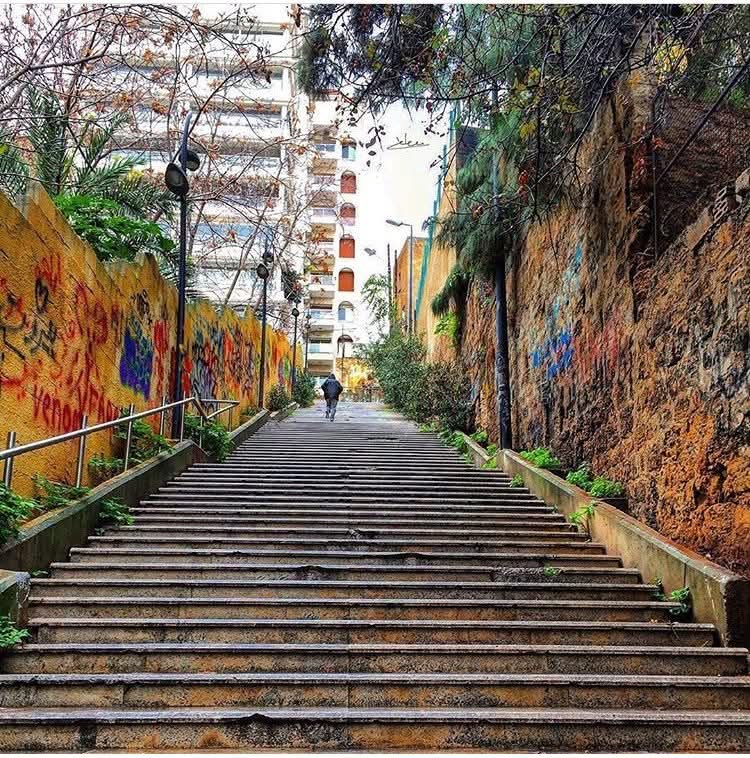
Beirut, a city once known for its gardens and generous green belt, now wears a coat of concrete. Today, less than 3% of its surface remains green, and even that little is often scattered, disconnected, and stressed under the brutal weight of modern life. Heatwaves scorch the soil. Old trees stand weary, overburdened, and gasping for a moment of cool air. Nature in Beirut is not just fading, it is struggling to breathe.
Yet amidst the high-rises and the traffic, a few rare green lungs continue to beat quietly. Their roots run deep, their canopies provide shade not just for creatures, but for the soul of a city.
One such place is the Hippodrome of Beirut.
To many, the Hippodrome is just a racecourse. But to those who listen closely, it is something far more vital: a living, breathing ecosystem, one of the last remnants of Beirut’s green history.
Long before tall buildings and asphalt corridors took over, the Hippodrome was blanketed in pine trees. These weren’t just trees. They were sentinels of the Mediterranean landscape, guardians of the city’s biodiversity. Even now, if you visit, you’ll find some of the oldest remaining pine trees in Beirut still standing there, quietly filtering the air, offering refuge to birds, insects, and countless unseen creatures.
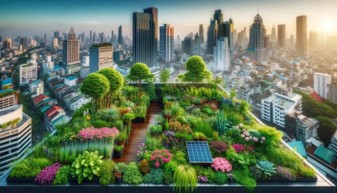
In one of the most polluted cities in the region, with dangerously high levels of CO₂ and airborne particulates, the Hippodrome serves as a natural purifier. Its trees trap dust, absorb carbon dioxide, release oxygen, and provide cooling; a service no machine can replicate. It plays a silent role in mitigating climate stress, offering a microclimate of hope amidst an urban heat island.
But it’s more than just environmental service. It’s a piece of Beirut’s memory.
The Hippodrome, with all its controversies, including racing and betting, may not align with everyone’s values. Yet we must acknowledge one undeniable truth: if not for the association managing it, this land might have suffered the same fate as so many other green spaces in the city. It might have been parcelled out, built over, paved, and erased.
Thanks to the continued care and maintenance by the association managing the Hippodrome, this land has not only preserved the ancient pine trees, but also sustained an entire living ecosystem. From the tallest tree canopy to the soil beneath, the Hippodrome nurtures a delicate web of life, including countless birds that find refuge and nesting grounds, insects like pollinators essential for plant reproduction, and microorganisms that enrich the earth. This interconnected system supports biodiversity in a city where natural habitats are rapidly disappearing. It reminds us that protecting a tree means protecting life itself, the unseen relationships between flora, fauna, and the soil that make the environment resilient and thriving.
Beirut’s remaining green spaces, Horsh Beirut, the American University campus, The Gulf Club and the Hippodrome are not simply parks or facilities. They are ecological anchors, remnants of a green belt that once wrapped the city in resilience and harmony.
It is time we see them for what they are: critical urban ecosystems, worthy of recognition, protection, and thoughtful care. The Municipality of Beirut has a responsibility — to the past, to the people, and to the planet — to support and safeguard these spaces before they are lost to silence.
Let us not wait for another pine to fall before we remember its value.
Let us protect what still grows — for Beirut, for our children, and for the air we all share.
The Hidden Green Heart of Beirut: The Hippodrome 🌳
Beirut is one of the world’s most densely built cities, with less than 3% of its land covered by greenery. Among the few remaining green spaces are three important sports grounds, once part of the city’s green belt — and the Hippodrome stands out as a silent guardian of Beirut’s natural heritage.
Once covered by majestic pine trees, the Hippodrome is more than just a historic site. It plays a vital ecological role, helping reduce harmful CO2 and particulates in our heavily polluted city. Thanks to the dedication of the association managing it, this patch of green resists being carved up by development, protecting some of Beirut’s oldest pine trees and the entire ecosystem they support — from soil to birds.
Yet, these green pockets are under stress, especially with hot summers and heat waves. They deserve more care, more respect, and a place in the city’s future.
Let’s cherish and protect Beirut’s green lungs — for our health, for biodiversity, and for the beauty of our city.